A Designer's Take on the Stubby Pencil Embroidery File
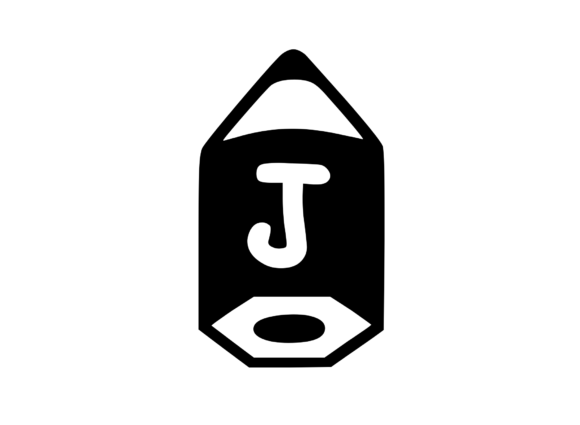
When I first saw the Cute Stubby Pencil with Mono J design, it struck me as one of those instantly useful graphics. It’s not trying to be overly complex or dramatic; it has a quiet, confident charm. The personality here is playful yet professional—a short pencil paired with a simple, stylish monogram. It feels like a mark of the maker, perfect for anyone who creates.
The Mood It Creates & Where It Belongs
The design’s mood is nostalgic and creative. That stubby pencil shape speaks to anyone who has ever sketched an idea on a scrap of paper. It’s relatable. Combined with the clean ‘J’, it becomes personal. This isn’t a generic graphic; it’s an identity badge. For an embroidery project, that means it naturally belongs on items that celebrate creation, learning, or personalization.
I immediately pictured it on a custom tote bag for a local art teacher. It’s the kind of design that, once embroidered, feels handmade in the best sense—thoughtful and unique. It would also shine on a sweatshirt for a small business owner, like a boutique stationery shop, turning a simple garment into a subtle brand statement. For a personalized gift, imagine it on a baby’s blanket for a newborn named Jack—a sweet, lasting emblem.
Real-Life Embroidery Performance: Where It Shines
In practical use, this design is versatile. The shape is bold enough to stand out on a tote bag, even with a moderate stitch density. On a cotton tea towel or apron, it would become a delightful decorative accent. For apparel decorators, it’s a strong candidate for the left chest area of a polo shirt or the front of a cap—the scale feels right.
As a digital embroidery file, its success hinges on its clarity. The pencil outline and the letter need clean stitching. On light fabrics like linen or canvas, with good thread color contrast, it will pop. For craft businesses and Etsy sellers, this design can anchor a whole product line: embroidered pillow covers for a studio, patches for backpacks, or even as the central motif on holiday gifts like embroidered notebook covers for graduates.
Careful Considerations: Where to Use It Mindfully
Not every project is ideal. The devil, as always, is in the details. The small lettering of the ‘J’ requires attention. On highly textured fabrics like some sweaters, or on very stretchy material without proper stabilizer, that detail could lose definition. I’d be cautious on dark fabrics unless using a very bright, contrasting thread for the pencil body.
For curved surfaces like caps, test it first. The design’s compact shape is a benefit here, but you must confirm your hoop size and placement. Also, consider products that need frequent washing, like kitchen towels or baby clothes. A dense fill stitch in the pencil might hold up better than a lighter running stitch. Always test on scrap fabric first.
Impact on Your Product & Your Customer
Using a design like this affects more than just the stitch. It elevates visual appeal through its friendly, intelligent vibe. For customer trust and engagement, a well-executed embroidery of this graphic signals care and quality. It makes a handmade product feel deliberate and professional.
For brand consistency, if your craft business revolves around creativity or education, this design could become a recognizable signature. Its giftability is high—it feels personal without being overly sentimental. For an embroidery designer working on client projects, it offers a quick, effective solution for a personalized gift or commercial embroidery for a creative entrepreneur’s merchandise.
Practical Notes From the Hoop
Before you run this embroidery file, do your homework. Check the provided details for stitch count and recommended hoop size. If they aren’t listed, you need to determine that yourself through a test. Always review the stitch density in your software; a very dense fill might require adjustments for thinner fabrics.
Inspect the small details of the ‘J’. Does it translate clearly at your intended size? Test the design in black and white mockups to see its form without color distraction. Compare how it looks on both light and dark fabric backgrounds in your preview software. This tells you if you need to adjust thread colors.
Use proper stabilizer for the fabric you’ve chosen. This is crucial for maintaining the design’s crisp edges, especially on apparel or bags. Finally, confirm the licensing. Can you use this machine embroidery design for commercial projects, selling the finished product in your small shop or on Etsy? Don’t assume; check. This protects your business and respects the designer.
The Final Stitch: A Design That Works
The Cute Stubby Pencil with Mono J isn’t a flashy trend piece. It’s a solid, charming graphic that performs. As an experienced designer, I judge a design by its real-world utility. This one has it. It can become a beloved detail on a baby’s embroidered nursery decor, a mark of pride on an artist’s custom apparel, or a bestselling item as an embroidered patch in your craft fair lineup.
Its value lies in its clear concept and its adaptability. For embroidery designers and makers, it’s a reliable asset. It won’t overwhelm a project with unnecessary complexity, but it will impart a specific, welcome personality. That’s the kind of design you keep in your library, ready for the next project that calls for a touch of creative identity.